Reclaiming Character: Why the Bold Serif Revival Matters for Modern Branding
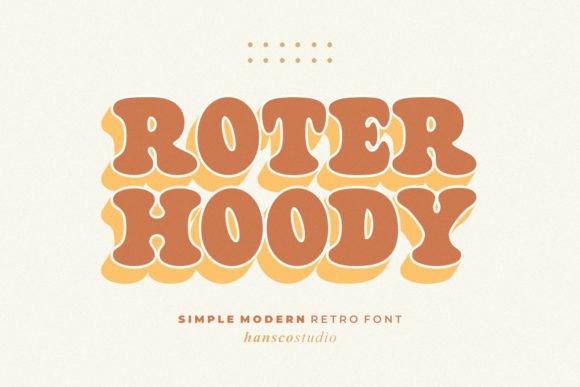
In an era dominated by sleek, geometric sans-serifs and minimalist digital interfaces, a counter-movement is gaining significant traction across the creative landscape. Designers, marketers, and entrepreneurs are increasingly seeking typography that offers more than just legibility; they are hunting for personality, history, and a tangible sense of warmth. At the forefront of this shift is Roter Hoody, a retro bold serif display font that encapsulates the essence of vintage charm while meeting the rigorous demands of contemporary design workflows. This is not merely a trend of nostalgia; it is a strategic response to a market saturated with homogeneous visual identities.
The Anatomy of a Digital Renaissance
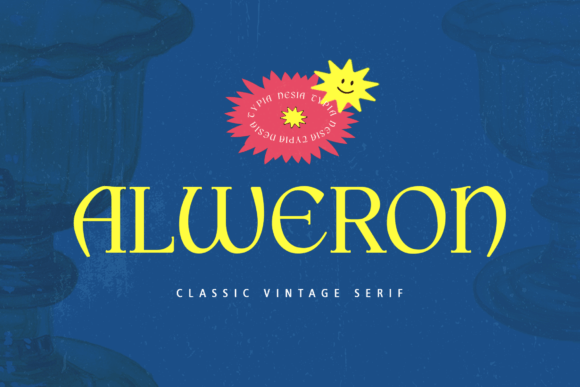
To understand the impact of Roter Hoody, one must first recognize the specific void it fills in the current typographic ecosystem. For the past decade, the technology sector and startup culture have heavily favored clean, neutral typefaces that prioritize function over form. While effective for user interface clarity, this approach has led to a "beige" aesthetic where brands struggle to differentiate themselves visually. Roter Hoody disrupts this uniformity. As a retro bold serif, it draws inspiration from mid-20th-century advertising, poster art, and packaging, bringing back the heavy strokes, high contrast, and distinctive curves that command attention.
The font's structure is designed to be a workhorse for display purposes. Unlike body text fonts meant for long-form reading, Roter Hoody excels in headlines, logotypes, and short bursts of communication. Its bold weight ensures visibility across various mediums, from massive outdoor billboards to the small thumbnails of a YouTube video. The serif details add a layer of sophistication and trustworthiness that purely geometric fonts often lack, suggesting a brand that is established, artisanal, and confident in its heritage.
Aligning with Consumer Psychology and Market Trends
The rising popularity of tools like Roter Hoody correlates directly with broader shifts in consumer behavior. Today's audiences, particularly Millennials and Gen Z, exhibit a strong preference for authenticity. They are skeptical of overly polished, corporate aesthetics and are drawn to brands that feel human, tactile, and rooted in reality. This psychological shift drives the demand for design elements that evoke a sense of nostalgia without feeling dated.
When a business incorporates Roter Hoody into its visual identity, it taps into this desire for connection. The font acts as a visual shorthand for "craftsmanship." Whether used on a coffee bag, a craft beer label, or a boutique clothing tag, the typeface suggests that the product inside was made with care and tradition. This is crucial for entrepreneurs and small business owners who need to compete with large conglomerates. By leveraging the unique character of a retro serif, they can build a brand narrative that feels personal and exclusive.
Practical Applications Across Industries
The versatility of Roter Hoody extends far beyond simple logo design. Its robust nature makes it an ideal candidate for a wide array of creative projects where impact is paramount. Consider the following sectors where this typographic style is reshaping visual communication:
- Apparel and Fashion: In the t-shirt and streetwear industry, graphics need to pop. Roter Hoody provides the necessary weight to stand out on fabric, offering a vintage athletic or collegiate vibe that remains perpetually stylish.
- Packaging Design: Shelf presence is everything in retail. A bold serif headline on packaging can elevate a product from generic to premium, signaling quality before the customer even reads the ingredients.
- Digital Media and Social: On platforms like Instagram and TikTok, where users scroll rapidly, static images must grab attention instantly. Using Roter Hoody for overlay text or story headers creates a stop-scrolling effect that modern sans-serifs often fail to achieve.
- Editorial and Publishing: Magazines and book covers are returning to bold, expressive typography to convey tone and genre. A retro serif can instantly communicate that a publication is authoritative yet accessible.
Adapting Workflows for the Modern Creator
The integration of distinctive display fonts like Roter Hoody also reflects changes in the workflows of modern creatives. Freelancers and agencies are no longer confined to standard system fonts or limited web-safe libraries. With the advancement of web font technologies and cloud-based design tools, accessing and implementing specialized typography has never been easier. This democratization allows designers to experiment more freely, mixing复古 (retro) elements with modern layouts to create hybrid styles that feel fresh.
Furthermore, the expectation for cross-platform consistency has risen. A brand's identity must look cohesive whether it is viewed on a mobile website, a printed brochure, or a merchandise item. Roter Hoody supports this need due to its clear letterforms and sturdy construction, which remain legible even when scaled down or rendered on lower-resolution screens. This reliability reduces the friction in the design process, allowing creators to focus on the bigger picture of brand strategy rather than troubleshooting readability issues.
The Strategic Value of Distinctiveness
Why are professionals paying such close attention to specific typefaces now? The answer lies in the economics of attention. In a crowded marketplace, being "good enough" is no longer a viable strategy. Brands must be memorable. Typography is often the most cost-effective way to achieve distinctiveness. Changing a logo's typeface or updating headline styles can refresh an entire brand identity without the need for a complete rebrand overhaul.
Using a font like Roter Hoody signals that a company understands design trends but is not奴隶 (slave) to them. It shows a willingness to embrace character and imperfection, qualities that resonate deeply in a world of algorithmic perfection. For marketers, this translates to higher engagement rates and stronger brand recall. When a consumer sees a headline set in a unique, bold serif, they subconsciously categorize the content as more thoughtful and curated.
Future-Proofing Design Choices
While "retro" might sound backward-looking, the application of fonts like Roter Hoody is inherently forward-thinking. Design cycles are recursive; what was popular fifty years ago often returns with new relevance because it addresses a current cultural need. The current need is for grounding and stability. As we navigate an increasingly digital and virtual existence, physical textures and historical references provide a sense of anchor.
Moreover, the flexibility of this typographic style ensures longevity. Unlike ultra-trendy decorative fonts that may feel obsolete in a year, a well-constructed bold serif has a timeless quality. It bridges the gap between the classic and the contemporary. For businesses investing in their visual assets, choosing a typeface with this kind of endurance is a smart financial decision. It reduces the frequency of redesigns and builds a consistent visual equity over time.
Conclusion: Embracing the Bold
The rise of Roter Hoody is more than a fleeting stylistic choice; it is a reflection of a deeper desire for meaning and connection in design. For professionals, creators, and entrepreneurs, understanding how to leverage such tools is essential. It is about recognizing that typography is not just a vessel for words, but a powerful emotional trigger that shapes perception.
As we move forward, the boundary between vintage aesthetics and modern functionality will continue to blur. The successful brands of tomorrow will be those that can harness the warmth of the past, using tools like Roter Hoody to tell their stories with clarity, confidence, and undeniable style. Whether you are designing a new logo, launching a clothing line, or creating content for social media, embracing the bold serif revival offers a pathway to stand out in a sea of sameness. The opportunity to add that special retro touch is here, waiting to transform ordinary ideas into extraordinary visual experiences.